
I get asked about Durham neighborhoods constantly, usually by friends moving in for a Duke or RTP job who have heard the city is "up and coming" and want to know where a family actually fits. Here is the honest version. Durham is less buttoned-up than Cary and less expensive in spots than Chapel Hill, with a food and arts scene that genuinely punches above its size. But it is also a real city with real variation block to block, and the school situation confuses almost everyone at first. Below are the areas I steer families toward, what each one is actually like to live in with kids, and the practical stuff the glossy real estate pages skip.
One thing up front. Home prices in Durham have moved a lot and they vary wildly even within a single neighborhood, so I am not going to quote you hard numbers that will be stale by the time you read this. Pull current listings for any area you are serious about, and read the school section before you fall in love with a house.
Downtown and the close-in historic neighborhoods
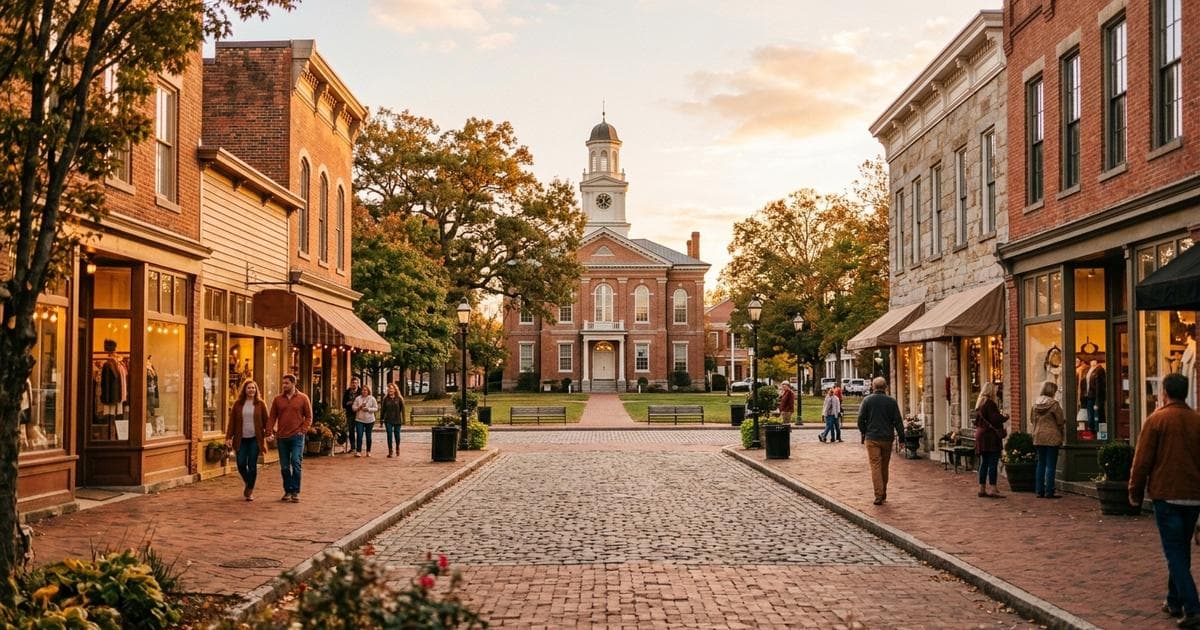
This is the walkable, character-heavy core. If you want to push a stroller to a coffee shop, catch a Durham Bulls game on a weeknight, and live somewhere with porches and big trees, start here. The tradeoff is older housing stock, smaller yards, and prices that reflect how desirable these blocks have become.
Trinity Park
Trinity Park sits between downtown and Duke's East Campus and is one of Durham's original neighborhoods, built in part for Trinity College faculty back when Duke was still Trinity. It is one of the most walkable spots in the city, with sidewalks, mature trees, and a genuinely active neighborhood association that runs events through the year.
Old North Durham, Duke Park, and Northgate Park
North of downtown you get a cluster of early-1900s bungalow neighborhoods that draw a lot of young families. They are quieter than Trinity Park but share the tree-lined, sidewalk-life feel, often with a bit more house for the money.
Walltown
Walltown is a historically Black, working-class neighborhood just north of Duke's East Campus, originally home to university and mill workers. It has a strong identity and an organized community association, and it has seen significant change and new investment in recent years.
Watts Hospital-Hillandale
West of downtown near the old Watts Hospital site, this established neighborhood is full of tall trees and solid older homes, and it is consistently considered one of the safer, more settled residential areas in the city. It is a popular landing spot for Duke families because the commute is short.
Hope Valley
Hope Valley, in southwest Durham, is the city's classic prestige neighborhood, built around the Hope Valley Country Club that has anchored the area since the 1920s. You do not have to be a club member to live here. Think large lots, mature trees, traditional architecture, and quiet streets.
South Durham: Woodcroft and the Southpoint corridor
South Durham is the family-suburb side of the city, with more newer construction, planned communities, and amenities. Woodcroft is a large, wooded community known for an organized HOA, a pool, tennis, and a trail network that connects toward the American Tobacco Trail. The broader area around the Streets at Southpoint mall and Highways 54 and 55 is where a lot of RTP commuters settle.
How to choose the right Durham neighborhood
There is no single best neighborhood, only the best fit for how your family actually lives. A few questions that sort it out fast:
How Durham schools actually work
Durham Public Schools confuses newcomers because it is not a simple "you live here, you go there" system across the board. The district uses a mix of neighborhood base-school assignments and a magnet and lottery system, and the boundaries and rules have been changing in recent years.
Many Durham families also weigh private and independent options such as Durham Academy, Carolina Friends School, and Immaculata Catholic School. If that is on your radar, factor tuition and admissions timelines in early.
House-hunting tips from someone who has done it here
Frequently asked questions
Is Durham a good place to raise a family?
For a lot of families, yes. You get a strong food and arts scene, lots of parks and trails, real walkability in the close-in neighborhoods, and more affordability than Chapel Hill in many areas. The honest caveat is that Durham is a real city with real variation block to block, so the specific neighborhood and the specific school assignment matter more than the city's overall reputation.
What is the best Durham neighborhood for walkability?
Trinity Park is the standout for walkability, with sidewalks, big trees, and easy access to downtown and Duke's East Campus loop. Old North Durham, Watts Hospital-Hillandale, and Walltown are also close-in and walkable, each with a slightly different feel and price point.
Are Durham Public Schools good?
It depends entirely on the school. Durham Public Schools uses a mix of neighborhood base assignments and a magnet and lottery system, and quality varies a lot from school to school. Magnets like Durham School of the Arts are admitted by lottery, not by address. The right move is to look up the exact assignment for any address you are considering and research that specific school, then confirm with the district before you commit.
Which Durham neighborhoods have the most space and yard?
Hope Valley in southwest Durham and the south Durham communities like Woodcroft are where you will find larger lots, newer construction, and planned-community amenities like pools and trails. The tradeoff is less walkable downtown character and more car-dependent daily life.
How close can I live to RTP with a family?
South Durham and the neighborhoods along Highways 54 and 55 give you the shortest, easiest commute to Research Triangle Park, with newer homes and family amenities. If you want to be near both Duke and RTP, south and central Durham are the practical middle ground.